
Skip to content
Michael Kiriazis Menu

Neighborhoods

Portland is a neighborhood market.

A home in Portland is never just the house. It's the block, commute, school context, parking, condition, walkability, remodel history, nearby demand, and the tradeoffs that come with that part of the city.

Micro-markets

Not one market. Many.

Neighborhoods change block by block. Schools, commute patterns, house condition, parking, remodel history, walkability, and buyer demand all change the real value of a property. I bring local context to those details so you're not making decisions from listing photos alone.

  • School quality & catchments
  • Commute times & transit access
  • Home condition & remodel history
  • Walkability, parks & daily amenities
  • Buyer demand & market trends

Real context. Better decisions. No guesswork.

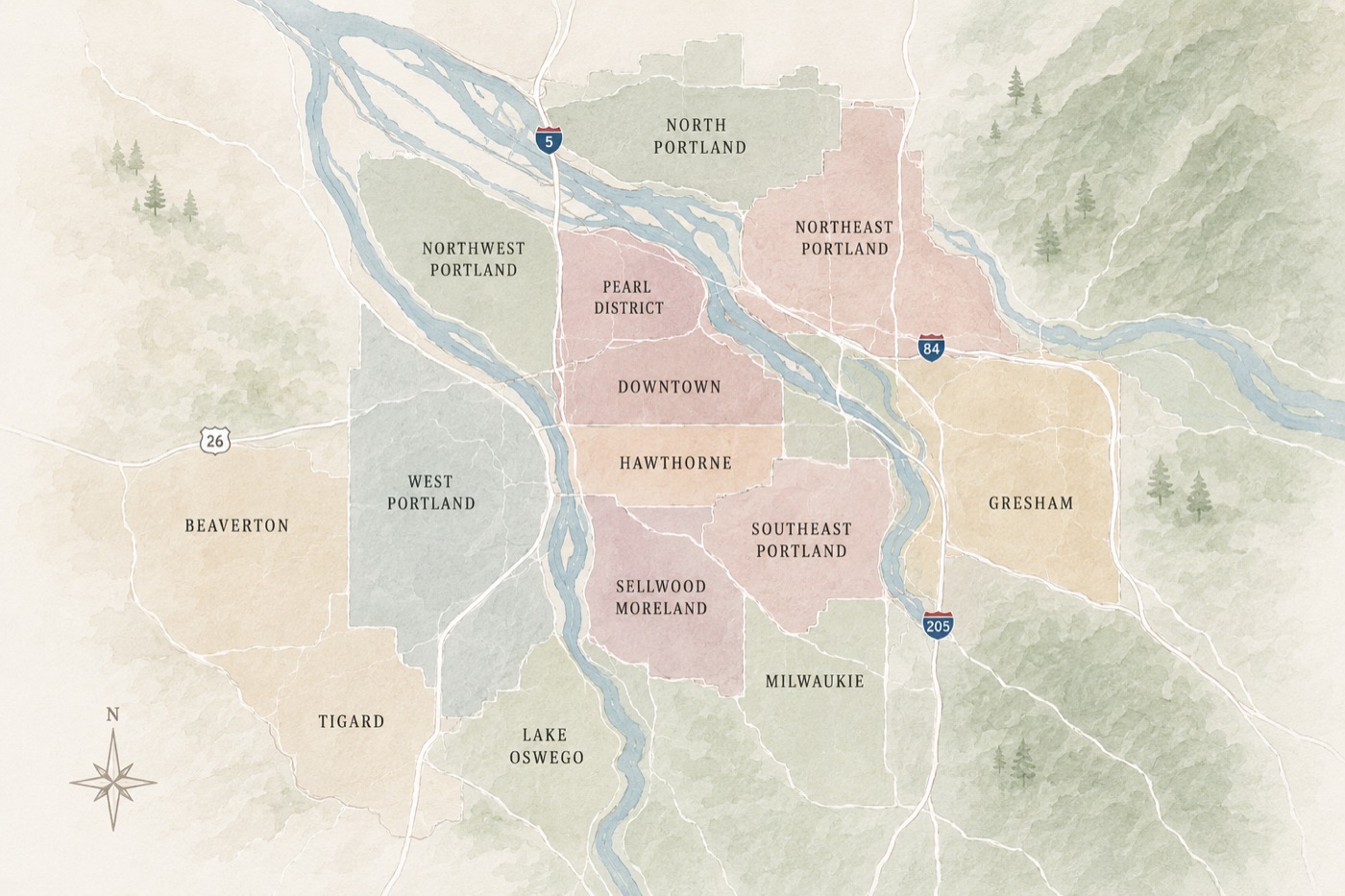
Hand-drawn map of the Portland metro showing the neighborhoods Michael works — from Beaverton and West Portland across the river to Northeast and Southeast Portland, Sellwood-Moreland, Milwaukie, and Gresham.

Portland roots

Both sides of the river.

I grew up on the east side of Portland and moved to the west side in early adulthood. Real time on both sides of the river — not just the listings, but the way each side actually lives.

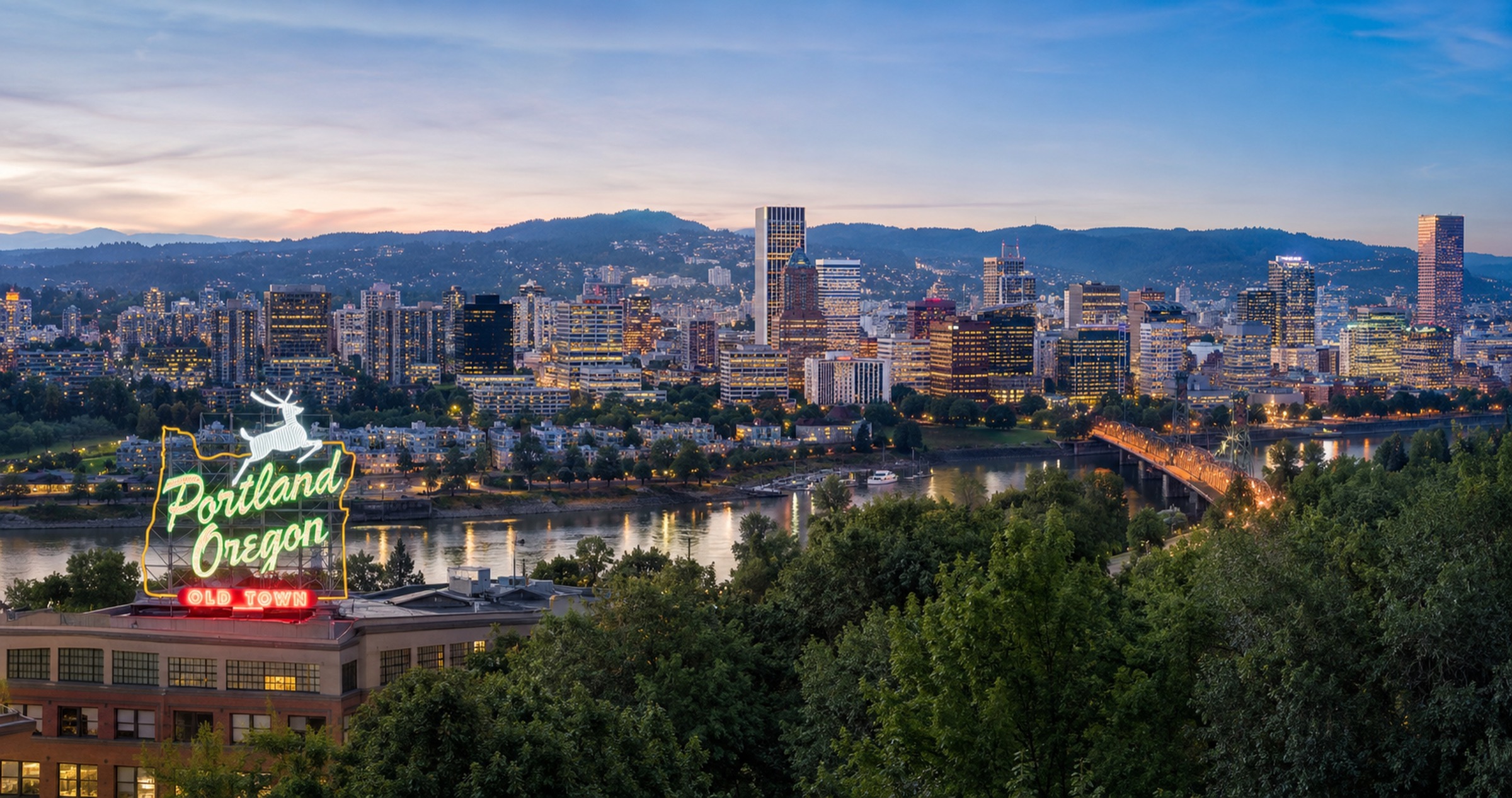
Portland skyline with the West Hills behind it — the city seen across the river.

East side

Where I grew up.

The east side is where my daily life started — a long arc of neighborhoods, schools, commute corridors, and housing stock I know the way you only know a place by living in it.

  • Inner-eastside grids and main streets
  • Older housing stock and remodel signals
  • School catchments and commute realities
  • The block-by-block changes that listings miss

West side

Where I live now.

The west side is where I moved in early adulthood — the west hills and the SW pockets where the rhythm of the market reads very differently than across the river.

  • West-hills topography and access patterns
  • Beaverton and SW micro-markets
  • Commute and amenities tradeoffs
  • The way buyers compete on this side of the river

Pre-real-estate

Market research is the day job behind the day job.

Before I sold homes, I spent years in retail marketing — running market research across the tri-county for national brands like US Bank, McDonald's, and Taco Bell. The work was about reading neighborhoods: how people spend, commute, eat, where they live and where they don't. That same block-by-block read still informs every recommendation I make today.

What I help you evaluate

The details that move a decision.

I help you compare neighborhoods by what actually matters: daily life, long-term value, property condition, buyer demand, resale risk, schools, commute, amenities, and the way each area behaves in the market.

  1. 01

    Daily life

    What the block actually feels like at 7am, 6pm, and on a Saturday — noise, traffic, walkability, and the small details that the listing photos don't show.

  2. 02

    Schools and commute

    Catchment areas, school-day routines, commute patterns to the major employment centers, and the tradeoffs between proximity and quiet.

  3. 03

    Property condition

    Era-of-construction tells, remodel history, deferred maintenance signals, and the kinds of surprises that show up in inspections for that part of the city.

  4. 04

    Parking and access

    On-street pressure, driveway and garage realities, alley access, and whether the lot actually fits the way the buyer or seller uses a car.

  5. 05

    Buyer demand and resale

    How the neighborhood behaves in the market, what kinds of buyers compete for which houses, and where resale risk is real versus imagined.

  6. 06

    Long-term value

    What is changing block by block, what is not, and how today's tradeoffs read against a five- to ten-year horizon.

Next step

Before you decide where to buy or how to price, understand the neighborhood.

Start with a useful first conversation. No timeline pressure.